Seafood in Kansas is an inland proposition. Reservoirs and rivers produce walleye, catfish and crappie for anglers, while the seafood in stores in Wichita, Kansas City and Topeka comes from distant coasts and overseas, so how it was frozen, shipped and held matters more than where it was caught.
What the state is known for
Local fish is mostly recreational. Channel and flathead catfish, walleye, white bass and wipers (hybrid striped bass) are popular, and many families eat what they catch. Some Kansas farms raise catfish or tilapia, and a few sell directly to consumers or at markets.
Where shoppers buy
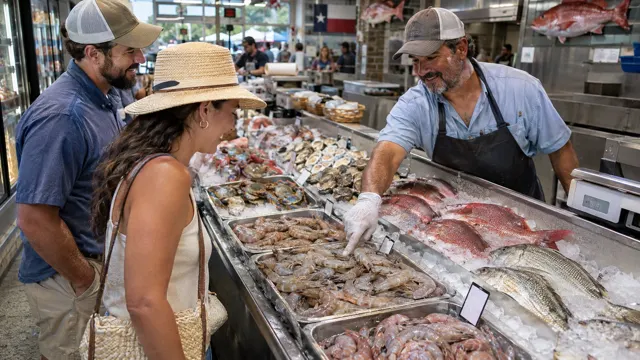
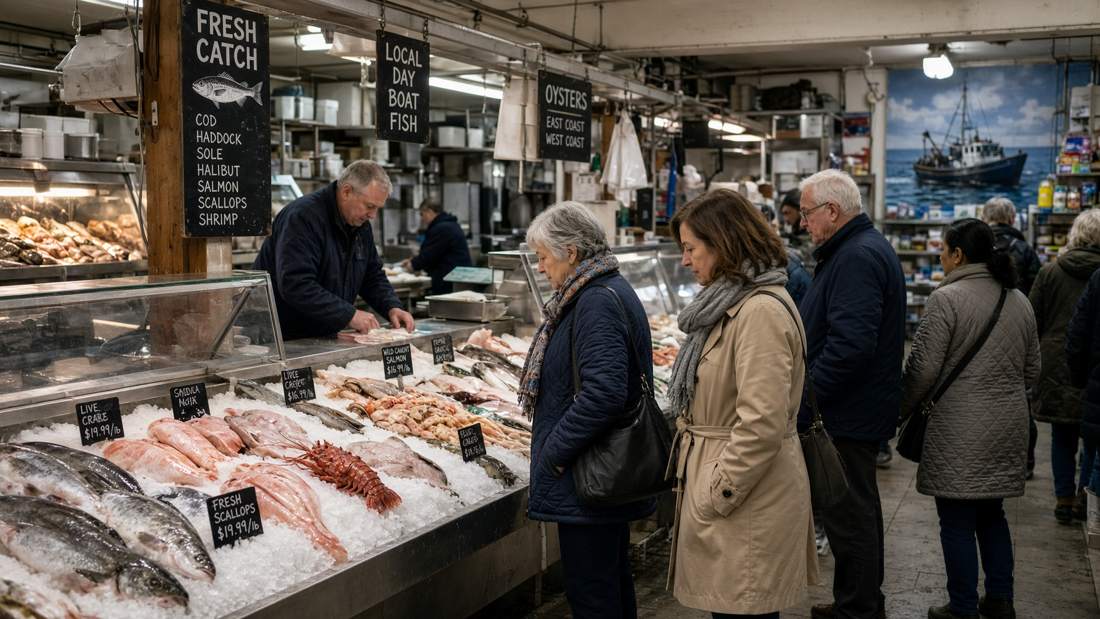
The most reliable sources are supermarkets with busy fish counters, Asian and Latin grocery stores and independent fish shops in the Kansas City area. Farmers markets may carry local frozen or smoked fish; the USDA farmers market directory helps you find them. Community supported fisheries that ship frozen shares are listed by the Local Catch Network. K-State Research and Extension at ksre.k-state.edu offers general food safety and local food information.
Making the most of frozen
Good frozen seafood can beat tired fresh fish. Choose individually frozen portions, avoid packages with frost, ice crystals or crushed corners, and bring an insulated bag for the trip home. Thaw in the refrigerator and cook within a day or two.
Buying tips
- Ask whether fresh fish arrived that morning and when it was last delivered.
- Check the date on vacuum-packed fish.
- Buy frozen shrimp peeled and deveined if you want convenience, and check the origin label.
- Keep seafood in the coldest part of the refrigerator.
Related guides: the cold chain, fresh versus frozen and mercury in seafood.
Advisories and fishing rules
For general advice on which fish to choose and how often to eat them, see the FDA advice about eating fish and the EPA guidance on choosing fish and shellfish. If you eat fish you caught, check for advisories on that specific lake or river with the Kansas Department of Health and Environment and the Kansas Department of Wildlife and Parks, which also issues fishing licenses and publishes current regulations. Rules and advisories change, so verify them on the agencies' official sites before you keep or eat fish.
Stretching your seafood budget
Frozen fish and shrimp bought in larger bags are usually cheaper per serving than fresh, and you can cook just the portion you need. Watch for store sales on frozen salmon, cod and tilapia, and compare price per pound after trimming, since skin-on, bone-in cuts cost less but yield less meat. If you live far from a good fish counter, a shipped frozen share can be worth considering, but compare shipping cost per pound with what you would pay locally. If you catch your own fish, clean and chill it quickly, and freeze extra fillets in airtight bags with the date written on them.