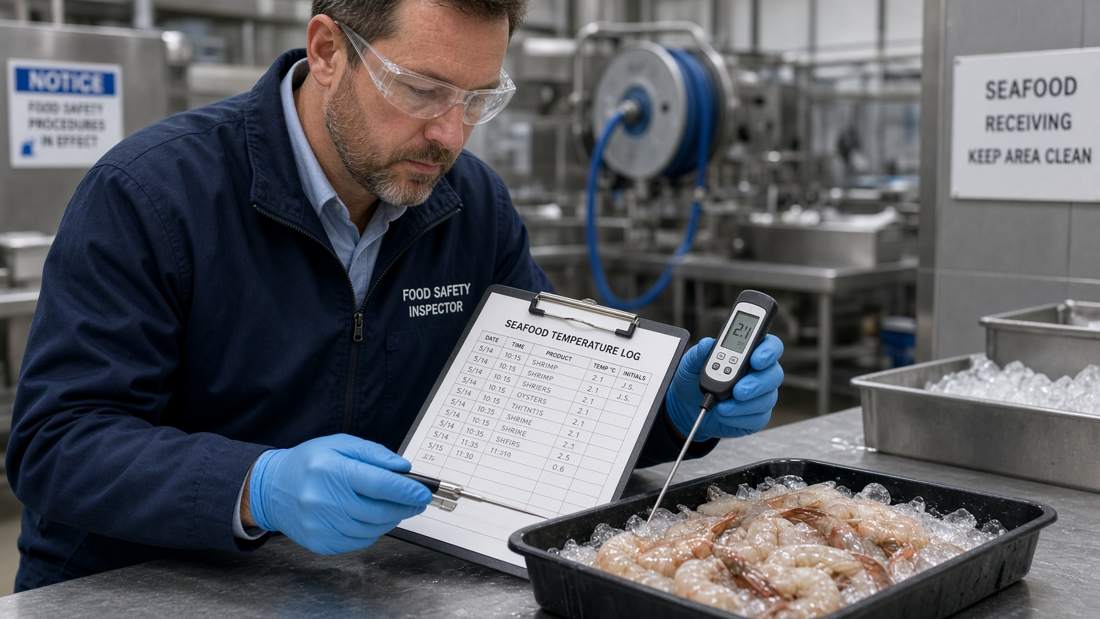
Allergen labeling for seafood products in the United States follows a federal law that requires the most common food allergens to be named in plain language on packaged foods. Fish and crustacean shellfish are both on that list, which makes labels a powerful tool if you or someone you cook for has a seafood allergy, as long as you know where the labeling stops.
What allergen labeling for seafood products requires
The Food Allergen Labeling and Consumer Protection Act of 2004 requires packaged foods regulated by FDA to declare major allergens. Sesame was added later, making nine major allergens in total, and fish and crustacean shellfish are among them. FDA explains the requirements on its food allergies page and food labeling and nutrition resources. Check current rules there for any updates.
- For fish, the label must name the species, such as salmon, cod or tuna, either in the ingredient list or in a "Contains" statement.
- For crustacean shellfish, the label must name the type, such as shrimp, crab or lobster.
- The allergen must appear in plain language, either in the ingredient list or in a separate "Contains" statement.
Mollusks in allergen labeling for seafood products
Clams, oysters, mussels and scallops are mollusks, and they are not on the federal list of major allergens. A product can contain them without a special allergen statement, although they would still appear in the ingredient list. People who are allergic to shrimp are not necessarily allergic to oysters, and the reverse is also true, but cross-reactions are possible. Ask an allergist about your specific case.
Where labels do not help
Loose fish and shellfish at a counter often has no package label, so you will need to ask the seller. Even then, counter cross-contact is a risk: the same scoop, knife or ice may touch different products. Restaurants are not covered by packaged-food labeling in the same way, so tell your server about your allergy and ask how food is prepared. Our seafood and allergies guide offers more kitchen advice.
Precautionary statements
Phrases such as "may contain" or "made in a facility that also processes shellfish" are voluntary and not standardized. The absence of such a statement does not prove a product is free of cross-contact.
Hidden sources to watch
- Fish sauce, Worcestershire sauce and some Caesar dressings, which may contain fish
- Surimi and imitation crab, which usually contain fish and may include shellfish flavoring
- Seafood-flavored snacks, stocks and seasoning blends
- Sulfites in some shrimp are not allergens in the same way but can affect sensitive people. See sulfite use in shrimp.
A label-reading routine
- Read the whole label every time, since recipes change.
- Look at both the ingredient list and any "Contains" line.
- Be alert to imported products, which may follow different labeling norms. Check the importer's label for US-required statements.
- When in doubt, contact the manufacturer.
Bottom line
Allergen labeling for seafood products gives shoppers reliable information on packaged goods for fish and crustacean shellfish. Pair label reading with questions at the counter and in restaurants, and keep your allergist's advice at the center of your decisions.