Aioli and seafood belong together because garlic, olive oil and lemon bring out the sweetness in shrimp, the richness of salmon and the mild taste of white fish without covering them up. It is a short list of ingredients, but the technique decides whether you get a thick, glossy sauce or a greasy puddle.
What aioli actually is
Traditional aioli from the Mediterranean coast is garlic pounded to a paste with salt, then emulsified with olive oil, drop by drop. Many cooks now add an egg yolk to make it more stable, which technically makes it a garlic mayonnaise, and that is what most restaurants serve. Both are good; the yolk version is much easier for beginners.
Egg-yolk aioli, step by step
Makes about 3/4 cup (180 ml).
- 1 to 2 garlic cloves, grated or mashed with a pinch of salt
- 1 egg yolk, at room temperature
- 1 teaspoon lemon juice and 1/2 teaspoon Dijon mustard
- 3/4 cup (180 ml) oil: half mild olive oil or neutral oil, half extra virgin olive oil
- Whisk the yolk, garlic, lemon juice and mustard in a bowl set on a damp towel so it does not slide.
- Add the oil a few drops at a time, whisking constantly, until the mixture thickens and turns pale.
- Once it holds together, pour the remaining oil in a thin stream.
- Season with salt, more lemon, and pepper.
Why the oil mix matters
All extra virgin olive oil can taste bitter once whisked hard. Blending it with a milder oil gives a rounder flavor.
If it splits
Put a fresh yolk or a teaspoon of water in a clean bowl and slowly whisk the broken sauce into it, a spoonful at a time. It will come back together. Cold oil, a cold bowl and pouring too fast are the usual causes.
The shortcut
Stir grated garlic and lemon juice into good store-bought mayonnaise, then let it rest 20 minutes for the garlic to mellow. Commercial mayonnaise is made with pasteurized eggs, so it is a sensible choice for anyone who avoids raw egg.
Food safety with homemade aioli
Raw yolk carries a small salmonella risk. Use fresh, refrigerated eggs, consider pasteurized ones for pregnant guests, older adults, young children or anyone with a weakened immune system, and keep the sauce cold. Use it within two days and throw out anything left out for over two hours. Garlic in oil is a separate hazard if stored at room temperature for long periods, so refrigerate it promptly.
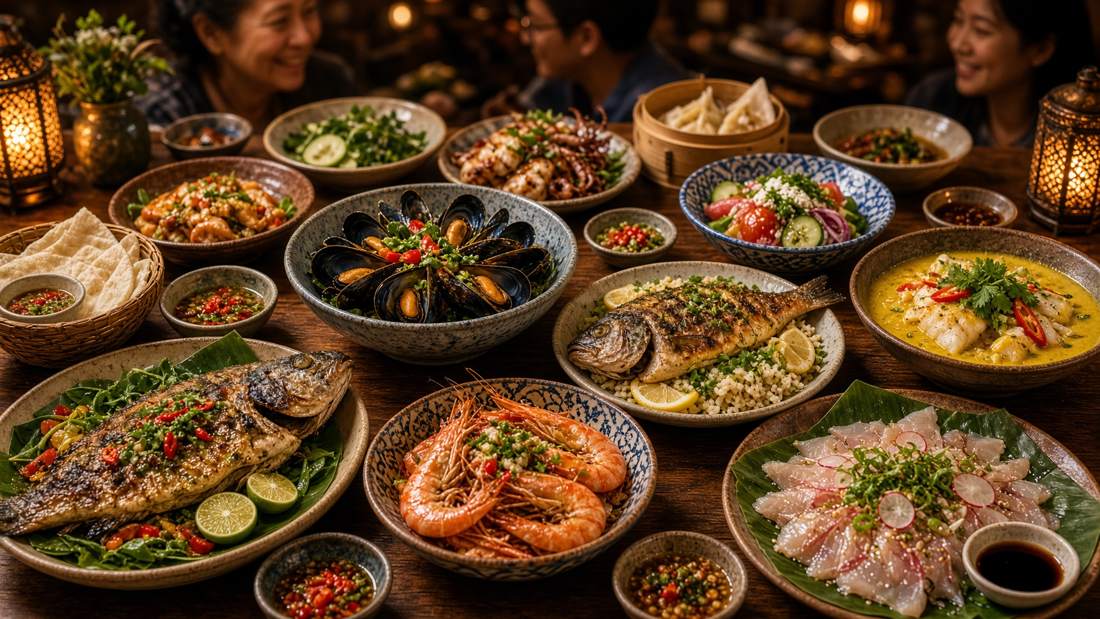
Best seafood to serve with aioli
- Boiled or steamed shrimp and crab claws, chilled.
- Poached cod, halibut or salmon with boiled potatoes and green beans, a classic spread.
- Fried calamari and fish fingers, as a more interesting dip than ketchup.
- Grilled octopus and sardines, with a little smoked paprika stirred in.
- Mussels steamed in wine, with crusty bread to dip. See mussels marinière for the method.
Compare it with a lighter dip in homemade tartar sauce and with a wider selection in five classic seafood sauces.
Whatever you serve, cook fish to 145 F (63 C) as the FDA's fish advice recommends, and see FishWatch for species background. Make a small batch the first time; once you have whisked an aioli to a glossy finish, it is hard to go back to the jar, and aioli and seafood become an easy habit.